

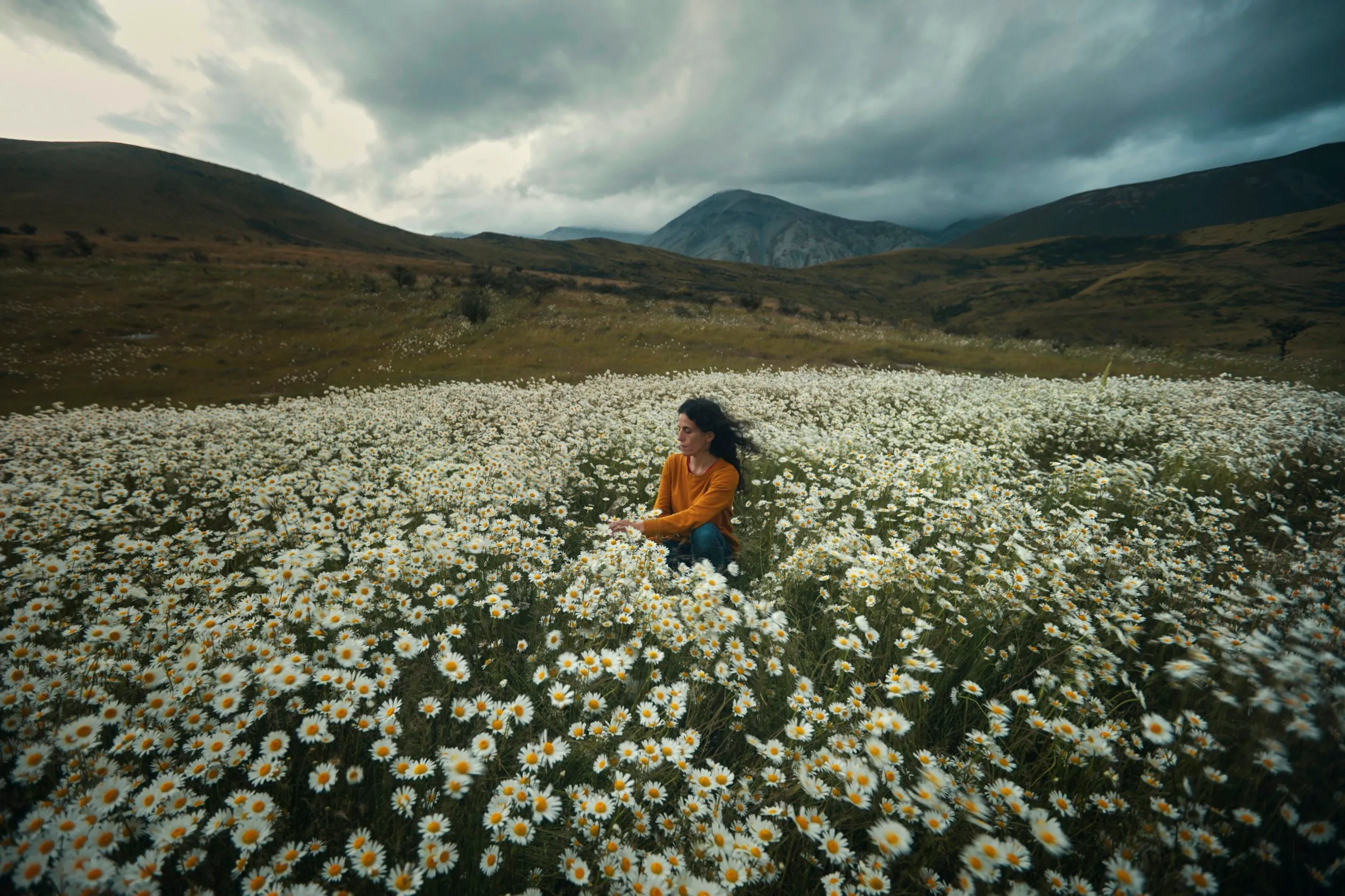
About me
I’m Tali.
For years, I knew how to make things work. I could solve complex problems, achieve what I set out to do, and keep moving forward.
What I didn’t know was how to listen to myself.
The path to learning how to listen to myself took me through engineering, photography, the Alexander Technique, and coaching. Today I see that I was always investigating the same thing: attention.
The lens kept changing: the MRI scanner, the camera, my hands, conversation.
Over time I discovered that attention doesn’t only change what we see. It changes the relationship we have with what we’re living.
In coaching I work with people who feel life is asking them a question they don’t yet have an answer to. A job that stopped making sense. A decision that’s been waiting for years. The feeling of living a life that works but never quite feels like their own. We build the capacity to be with uncertainty, with fear, and with wanting, and the confidence to take a step before there’s clarity.
In the Alexander Technique, which I came to through back pain, we explore how to let go of unnecessary effort. I stayed because I discovered a freedom that reached far beyond the body.
And in photography I make images on commission, and I also work with those who want to develop a way of seeing that’s more attentive, more curious, and more their own.
The three are, for me, different languages for returning, again and again, to attention.
The path I’ve walked
I started out studying computer engineering, partly by process of elimination and partly out of my love for solving problems.
School never helped me figure out what I wanted to do with my life. I assumed it would be useful to know a lot about computers (thank you, younger me, you were right).
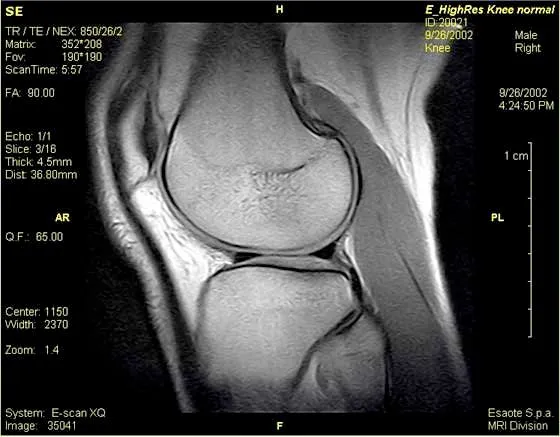
Back then I had a lot of energy and wanted to change the world. That led me to biomedical engineering. I worked with medical imaging and MRI, specializing in the knee.
I took photographs of people from the inside.
They looked more or less like this:
But I still didn’t know how to look inward.
From the outside, my life looked like a great success. Inside, it was getting harder and harder to recognize myself in what I was doing. Something in me was asking for a different path.
In 2004 I traveled to Japan to present my master’s work. I brought a three-megapixel digital camera (digital photography was just beginning, and phones were only good for talking). With that camera I captured a few scenes, like this one:
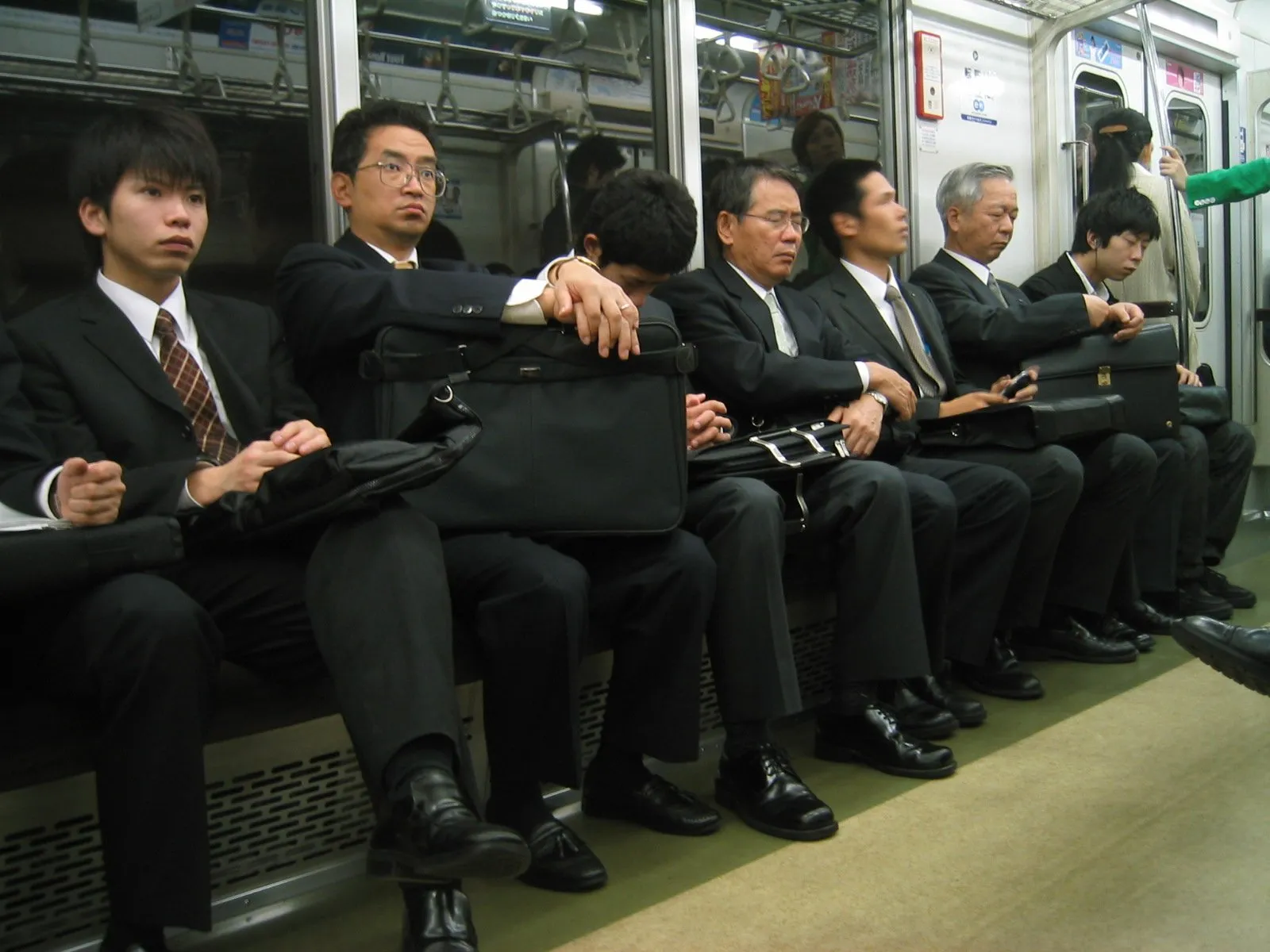
I was twenty-five, and photography had never interested me. For the first time in a long while, I was looking without trying to solve anything. I fell in love with the world of images and never stopped taking pictures.
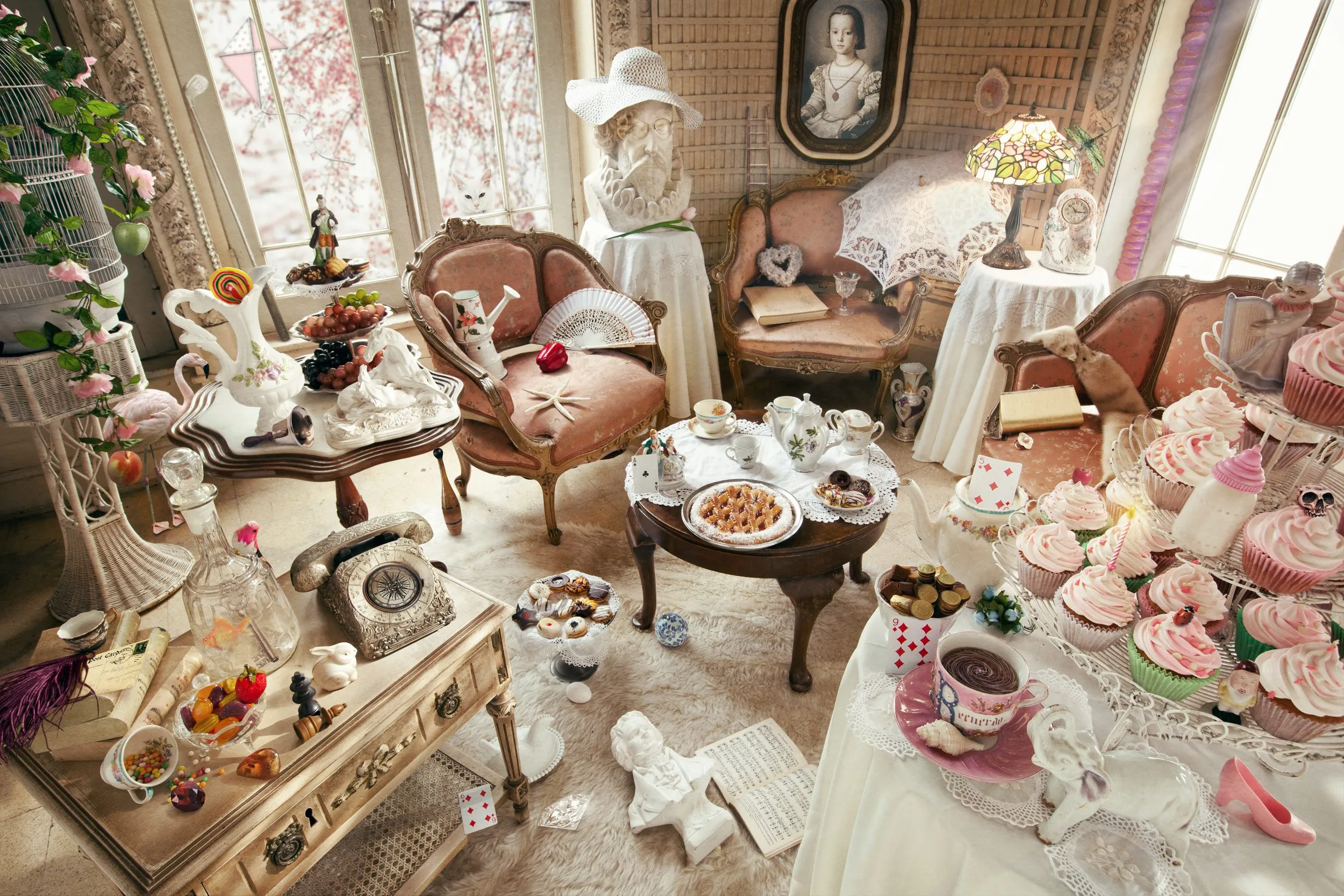
For many years I worked in advertising, bending the world to my eye and my clients’, building fantastical worlds of every kind. I made this photo for a Facebook game about finding objects hidden inside a scene.
Did you find the elephant?
After many years building scenes for shoots, I started needing to go out and look for images in places where there was nothing to control. Reality was asking me to accept it as it is.
When I could finally choose what to photograph, I discovered I didn’t know what I wanted. Doing what someone else asks is much easier.
I found my refuge for that transition in nature. It grew into a personal project, “Baño de Bosque” (Forest Bathing), which became a doorway for me: a new way of seeing and understanding the world.
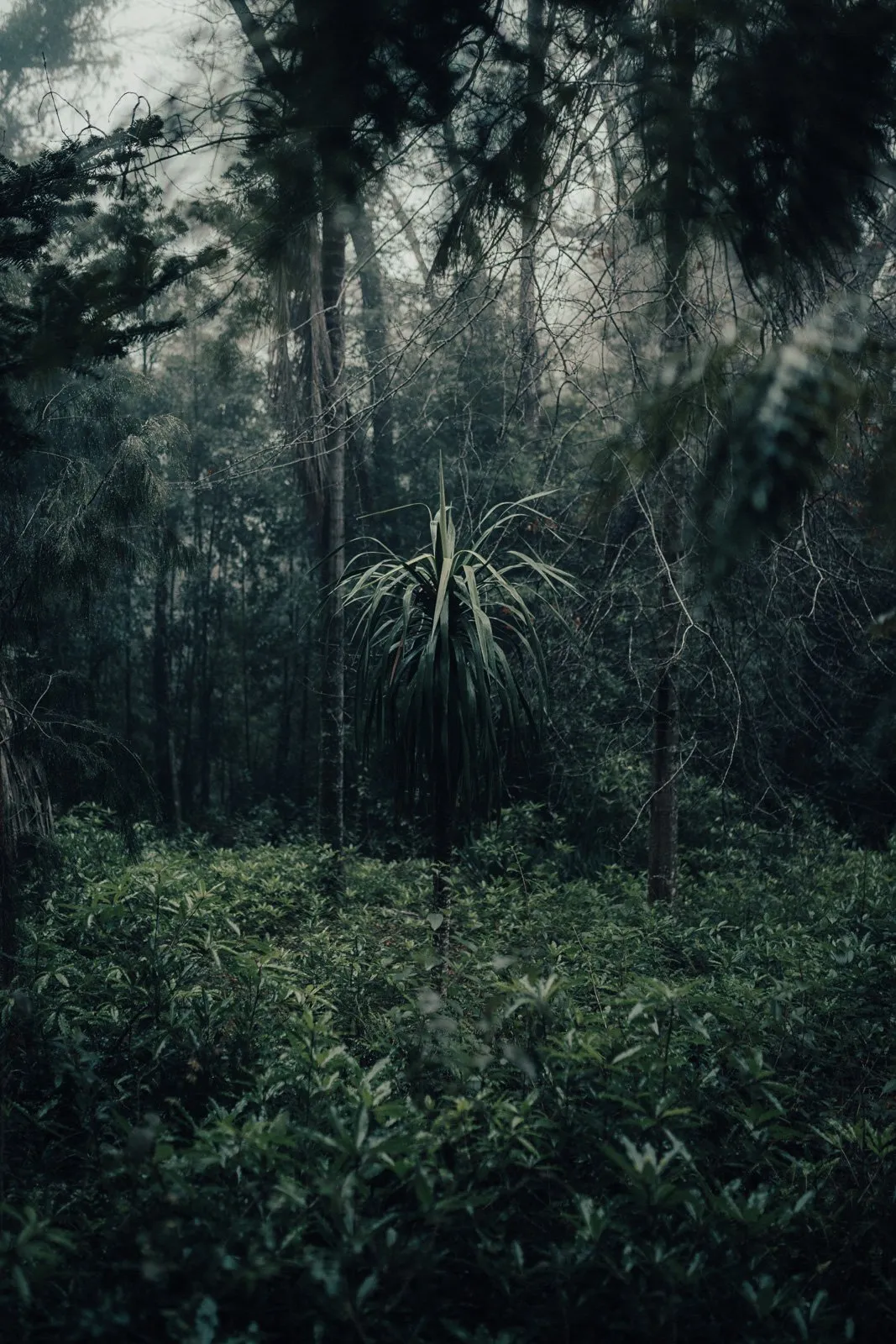
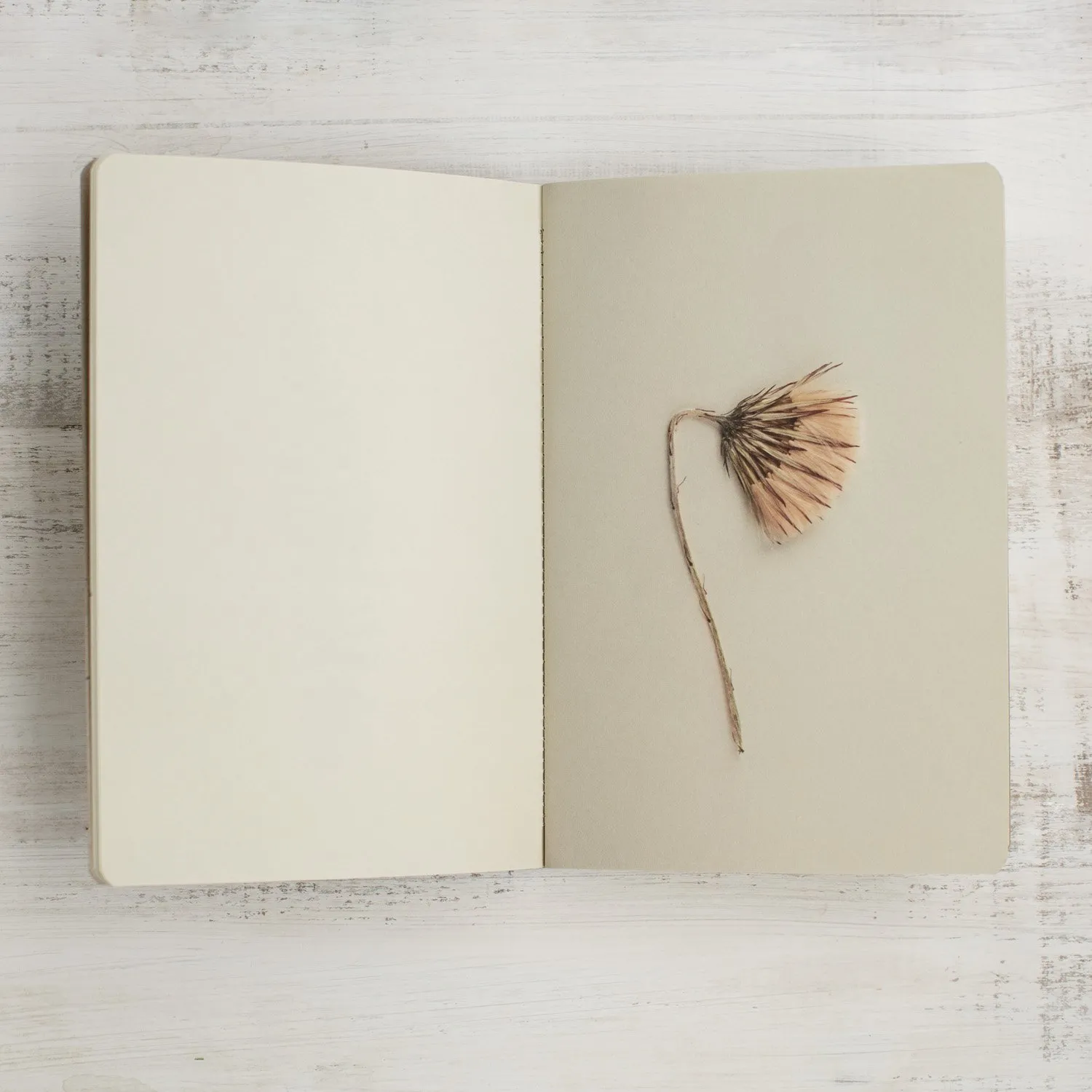
Wandering among trees gave me time. I explored with no direction, let myself photograph in many ways, and many days I simply stood there, doing nothing. The setting was the Lussich Arboretum. There I gathered leaves and flowers, kept them in a notebook, and made a herbarium-book.
Because of the way they’re printed, the photos seem to lift off the pages.
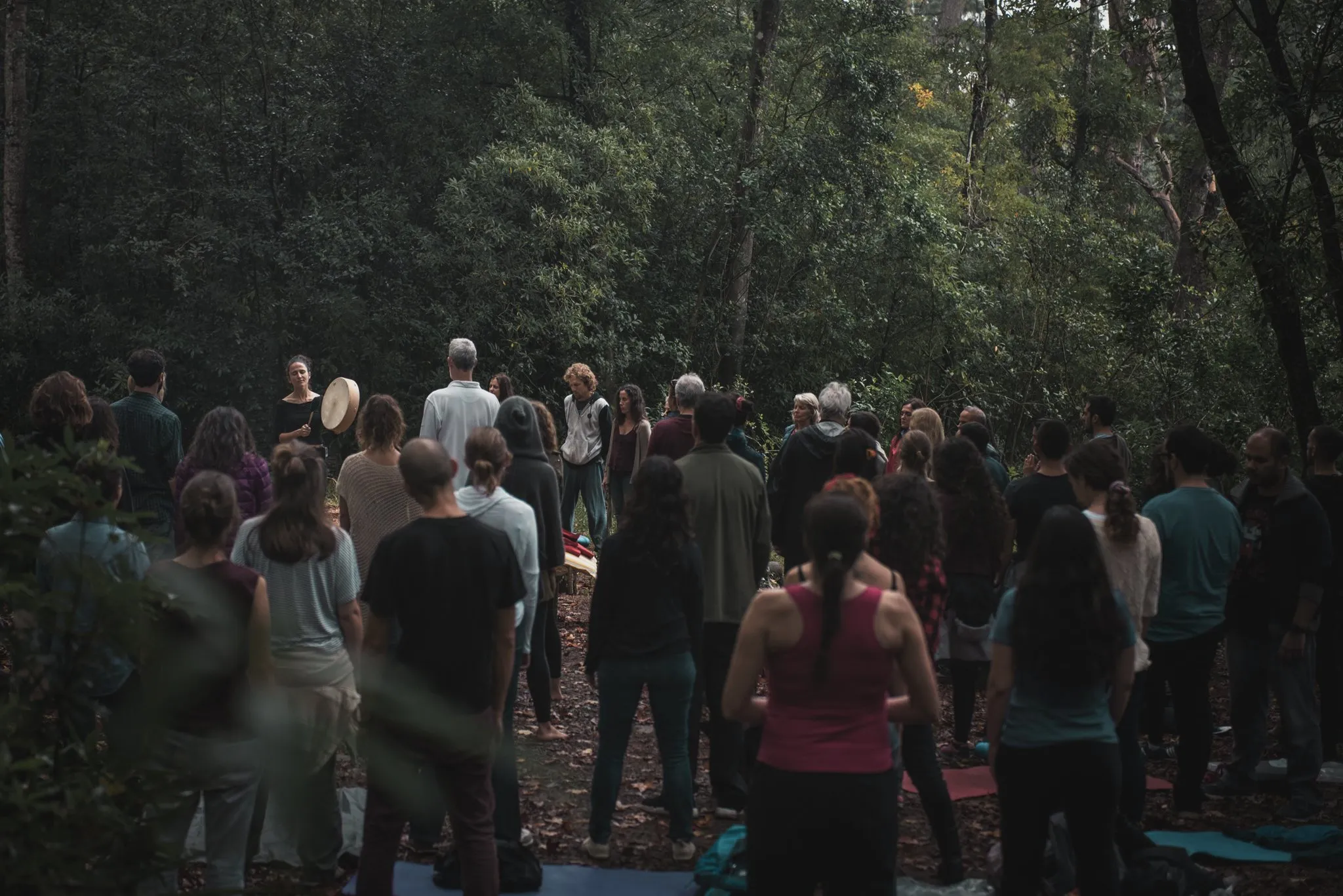
I organized meditation and music gatherings, and invited others to share the forest with me.
Once, more than four hundred people came.
Those walks, loaded with camera gear and with scoliosis on top of it, left me with severe back pain. That was the door through which the Alexander Technique came into my life.
I started out trying to fix my posture. I ended up discovering it was about no longer reacting. This practice teaches you to pause before acting. A pause to choose how you respond.
Those pauses gave me the chance to recognize patterns of thought, and to get more in touch with my feelings and needs.
That’s when I began to notice that I had lived a long time in my head and very little in my body. I rationalized what I felt, and I used almost none of the information it was giving me to know where I stood or how to decide. That had left me with immense insecurity and inner confusion.
My engineer’s mind still saw the world as a problem to solve. I tried to solve anxiety, to dissolve tension, to figure out relationships, to switch on creativity. It was an incredibly useful way of thinking, except when I used it on myself.
The solution was always to think more, look harder, fix more.
At some point a different question surfaced, one you can’t think your way to:
what if there’s nothing to fix?
That question kept leading me toward trusting that life is already unfolding, and that what we already are needs company more than repair.
Looking back, I understood that the real change was never about my career. It was going from trying to control life to learning to be in relationship with it.
That shift happened while I was training as a coach at Aletheia, where I learned that you don’t need a rescue plan. I also take courses with Art of Accomplishment. And as with everything on this path, I lived it in myself first: many sessions where I experienced what opens up when the focus is connecting instead of correcting.
Now, besides taking photographs, I give talks and teach these tools, individually or in groups, in Spanish and English.
I live between Uruguay and Germany, still learning how to make room for all these parts of me in one life.
If any of this resonates, write to me. We’ll start with a conversation, with no plan beyond getting to know each other.